Most Workplace Training Teaches You What to Do Differently.
SAFE 2B Teaches You Why You Do What You Do in the First Place.
When you understand the real reason people (including yourself) react the way they do, everything changes.
Leaders who are serious about minimizing or eliminating psychosocial risks, live and breathe psychological safety. Being compassionate and caring is a core value.
Philip Be'er
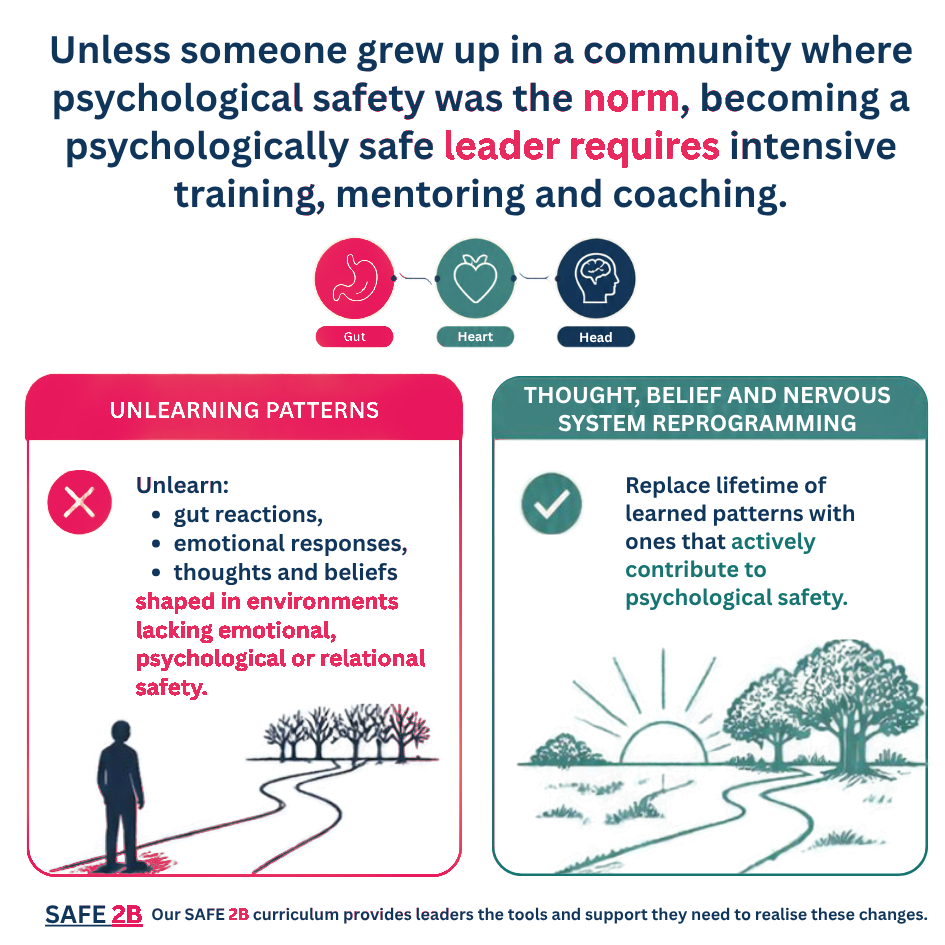
They need to gradually unlearn the gut reactions, emotional responses, thoughts, and beliefs they picked up in environments that lacked emotional, psychological, or relational safety.
Each of these unlearned patterns must then be replaced with new ones that actively contribute to psychological safety.
The Problem Isn't a Lack of Good Intentions
Most leaders and managers genuinely want to do better. The problem isn't willingness - it's understanding. Without knowing why people react the way they do, even well-meaning leaders keep triggering the same dynamics they are trying to fix.
Our Clients Benefit From Deeper, Richer Understanding.
Workshops that teach communication skills or explain what psychological safety is are useful but they leave out the most important question: Why is safe behaviour so difficult under pressure?
SAFE 2B Gets to the Root.
Through coaching and training grounded in the SAFE 2B curriculum, Philip works with leaders, managers, and other individuals to build genuine, lasting mastery of the four skills that shift cultures:
1. Understanding Yourself
2. Understanding others
3. Feeling safe inside yourself
4. Creating safety for others
The 4 Goals of Individual, SAFE2B Mastery

Understand Yourself
Know why you react the way you do - and recognise that most of your reactions are automatic, not chosen.

Understand Others
See the pain, fear, and hidden shame behind other people's behaviour - and respond with empathy instead of judgment.
Feel Safe Inside Yourself
Build the inner tools to stay calm, clear, and grounded - even when the world around you feels threatening.

Create Safety for Others
Learn what it actually takes to build a workplace where people feel they genuinely belong.
Enough talk about psychological safety - what about Psychological harm?
Psychological harm or injuries from psychosocial hazards include conditions such as
anxiety, depression, post- traumatic stress disorder (PTSD) and sleep disorders.
Physical injuries from psychosocial hazards include musculoskeletal injury, chronic disease,
and physical injury following fatigue-related workplace incidents.
The only information necessary, to know if a person is SAFE ...
... or feels THREATENED is whether their nervous system is in a regulated state, or a DYSREGULATED STATE (i.e. in fight, flight or freeze).
definitions of psychological safety, based solely on feeling safe to speak out, pose a risk for many workers:
At the SAME TIME they're experiencing discrimination; pay inequity; sexual harassment; excessive workloads; bullying, employees might feel completely safe to speak out,
BUT feeling safe to speak out is not the same as BEING SAFE.
So, how can we know when someone is authentically safe?
Human beings have evolved a suite of stress responses that get triggered WHENEVER a physical, emotional, relational or psychological danger has been perceived.
These defensive reactions or responses are FIGHT, FLIGHT and FREEZE*
* I treat Fawning as Freeze variant.
Below: Some reactions to an emotional, relational, physical or psychological threat that we encounter in everyday life.
Whenever you witness one or more of the following behaviours/reactions (or ones like them), it's safe to assume that the person is in distress!
They are not feeling safe!
Fight
Flight
Freeze
An employee might feel completely safe to speak out in a meeting, without fear of reprisal, while also experiencing:
How We Work Together
There are three ways to engage with the SAFE 2B curriculum - and a fourth for those dealing with an active conflict that needs urgent resolution.
One-on-One Coaching
The most direct path to mastery
Personal coaching sessions with Philip, working through the SAFE 2B curriculum at your own pace. This is for leaders, managers, and individuals who want to go deep — to genuinely understand their own patterns, their relationships, and how to build the environments they want to work in. Most sessions are conducted via Zoom.
Small Group Coaching
For leadership teams, peer groups, and cohorts
Philip works with small groups — typically 3 to 8 people — through the SAFE 2B curriculum together. The group dynamic accelerates learning because participants can see the concepts reflected in each other's stories and responses in real time. Ideal for leadership teams, management cohorts, and HR or OHS professionals.
SAFE 2B Group Training
For whole teams and organisations
Sixteen 90-minute live sessions via Zoom, facilitated by Philip or a certified SAFE 2B facilitator. Covers the full SAFE 2B curriculum. Builds a shared language and collective understanding across your team. Also available as a self-paced, app-based course.
Mediation
For active disputes that need a neutral third party
Trauma-informed mediation for workplace, family, strata, landlord-tenant, and business conflicts. Available online across Canada and in person in Victoria, BC. When something has broken down and needs a skilled neutral to help find a way forward.
Who Works With Philip

Leaders and Managers
Who know that something in their team isn't right - and want to understand it well enough to actually change it, not just manage it.

HR and OHS Professionals
Who are tired of tick-box training and want something that addresses the human factors underneath conflict, disengagement, and workplace incidents.

Individuals in High-Stakes Roles
Who want to understand their own reactive patterns - especially under pressure - and build the internal resources to respond rather than react.
Small Leadership Teams
Who want to develop a shared language and a collective capacity for psychological safety across their whole group.
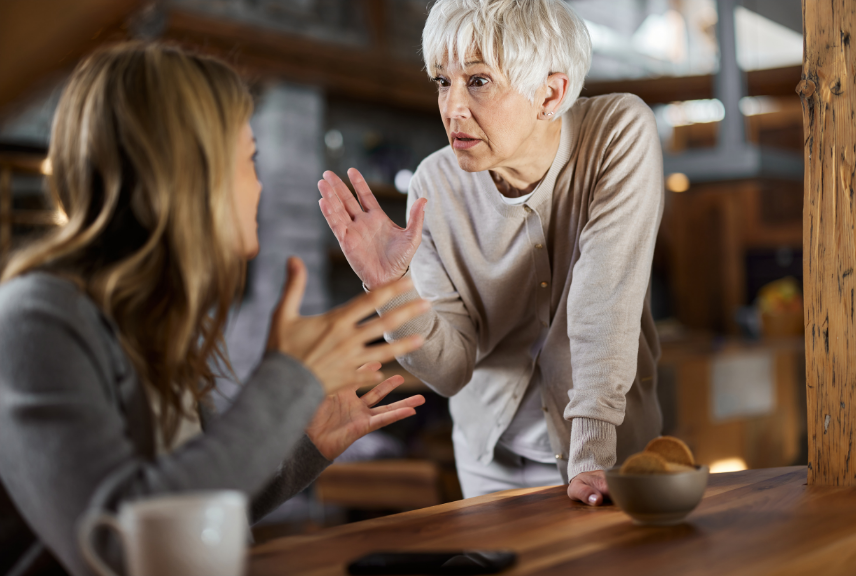
Organisations After an Incident
Where something has broken down — a harassment complaint, a team breakdown, a loss of trust — and the culture needs more than a policy to recover.

Organizations Seeking Mediation or Conflict Resolution
Who need a skilled, trauma-informed neutral third party to help navigate a dispute that has reached an impasse.
The Cutting Edge Newsletter
Breakthroughs in Emotional, Relational, Psychological and Psychosocial Safety with Philip Be'er
© Philip Be'er All Rights Reserved