
The Science Behind SAFE 2B
Psychological | Relational | Psychosocial | Emotional Safety isn't a mere feeling...
... it's a measurable, biological state - the research behind it is clear, consistent, and has been accumulating for decades in the paradigm of modernity and millenia according to Classical Chinese Medicine and other ancient paradigms.
Why We Start with the Nervous System
Most workplace conflict and performance problems are treated as communication problems, culture problems, or leadership problems. All of those things are real - but they share a common root that almost nobody addresses: the nervous system.
The human brain's threat-detection system was not designed for performance reviews or difficult meetings. When it detects a threat - any threat, physical, psychological or relational - it shuts down the rational brain and floods the body with adrenaline and cortisol.
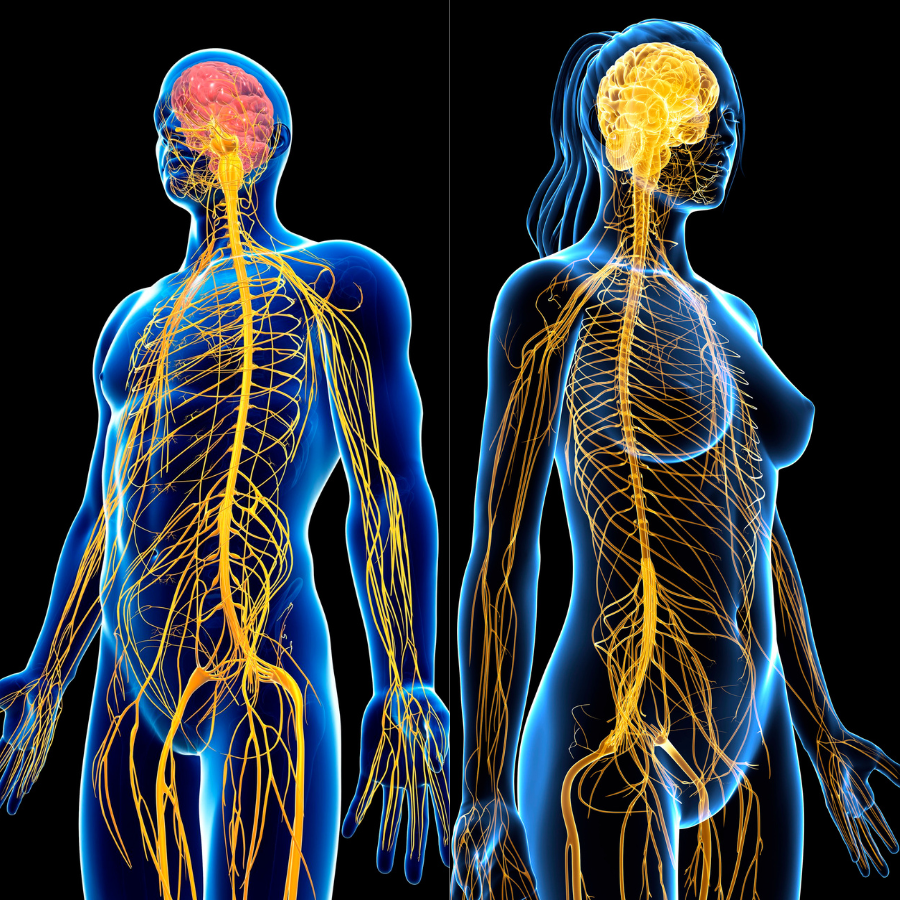
This is not a character flaw. It is evolution. And until you understand it, you will keep treating symptoms while the cause goes untreated.
The SAFE 2B coaching and training programs are built entirely on this understanding.
The Research That Underpins SAFE 2B
The Still Face Experiment - Tronick (1970s)
Dr. Edward Tronick's research showed that even a few seconds of emotional disconnection causes measurable distress in infants - and that this alarm doesn't disappear in adulthood. When connection is withdrawn at work, the same ancient signal fires.
The Still Face Experiment - Tronick (1970s)
Dr. Edward Tronick's research showed that even a few seconds of emotional disconnection causes measurable distress in infants - and that this alarm doesn't disappear in adulthood. When connection is withdrawn at work, the same ancient signal fires.
The Still Face Experiment - Tronick (1970s)
Dr. Edward Tronick's research showed that even a few seconds of emotional disconnection causes measurable distress in infants - and that this alarm doesn't disappear in adulthood. When connection is withdrawn at work, the same ancient signal fires.
Does bullying increase compliance? - Malgorzata Gamian-Wilk
Bullied participants were reluctant to agree to both task-related and social requests: they tended to refuse to do additional work, stay extra hours, lend money or personal things, give work materials and also spend time with work mates, have lunch with them, or go for informal meetings.
Amygdala Hijack - LeDoux; Goleman
Dr. Edward Tronick's research showed that even a few seconds of emotional disconnection causes measurable distress in infants - and that this alarm doesn't disappear in adulthood. When connection is withdrawn at work, the same ancient signal fires.
Psychological Safety & Team Performance - Edmondson, Harvard
Amy Edmondson's landmark research identified a narrow version of psychological safety as the single strongest predictor of team performance. Google's Project Aristotle reached the same conclusion after studying 180 teams
The Ripple Effect - Cortisol Contagion – Dimitroff et al
Stress hormones are socially contagious. A single dysregulated person in a team can elevate cortisol levels across the group - triggering a cascade that spreads through the whole environment.
Shame as a Social Regulator - Brown; Nathanson
When weaponised - as disrespect, exclusion, contempt, or humiliation - shame creates a chronic state of threat. High-shame environments are consistently linked to elevated accidents, absenteeism, and turnover.
Social Pain = Physical Pain - Eisenberger, UCLA / MIT
Brain imaging studies confirm that social exclusion activates the same brain regions as physical pain. Belonging is a biological requirement - and its absence causes measurable harm.
The Cutting Edge Newsletter
Breakthroughs in Emotional, Relational, Psychological and Psychosocial Safety with Philip Be'er
© Philip Be'er All Rights Reserved